


Essential Shirts and Bottoms Every Child's Wardrobe Needs
A child's shirt collar outlives its sleeves by about a season, because collars sit still while elbows do all the work. Nobody designs for that asymmetry.
Durable kids' clothing isn't built stronger everywhere, it's reinforced exactly where a child actually breaks it, at the knee, the collar, the cuff, the inner seam of a sleeve worn thin from climbing. Everywhere else stays soft, because a six-year-old was never going to wear through a shoulder anyway, no matter how hard he tried.
The Growth-Ready Wardrobe Checklist
Buying your child's exact current measurement is a financial mistake. Full stop. You don't need more clothes. You need margin, engineered into what you already own, because a six-year-old grows roughly 2.5 inches in a single academic year and off-the-rack kids outfits are sized for the day you buy them, not the ten months of wear that come after.
Bigger isn't the fix. Smarter is, room built into the garment from day one.
An adjustable inner waistband absorbs a spurt without a new pair of trousers. A raglan sleeve hides shoulder width so a shirt still sits right at month eight. A cuff that rolls or releases does the same job at the wrist and ankle, quietly, without anyone noticing it's doing anything at all.
- Adjustable inner waistbands that expand a full size without a visible seam change.
- Raglan sleeves cut to hide shoulder growth for two full terms.
- Elasticated ankle cuffs that release as a leg lengthens.
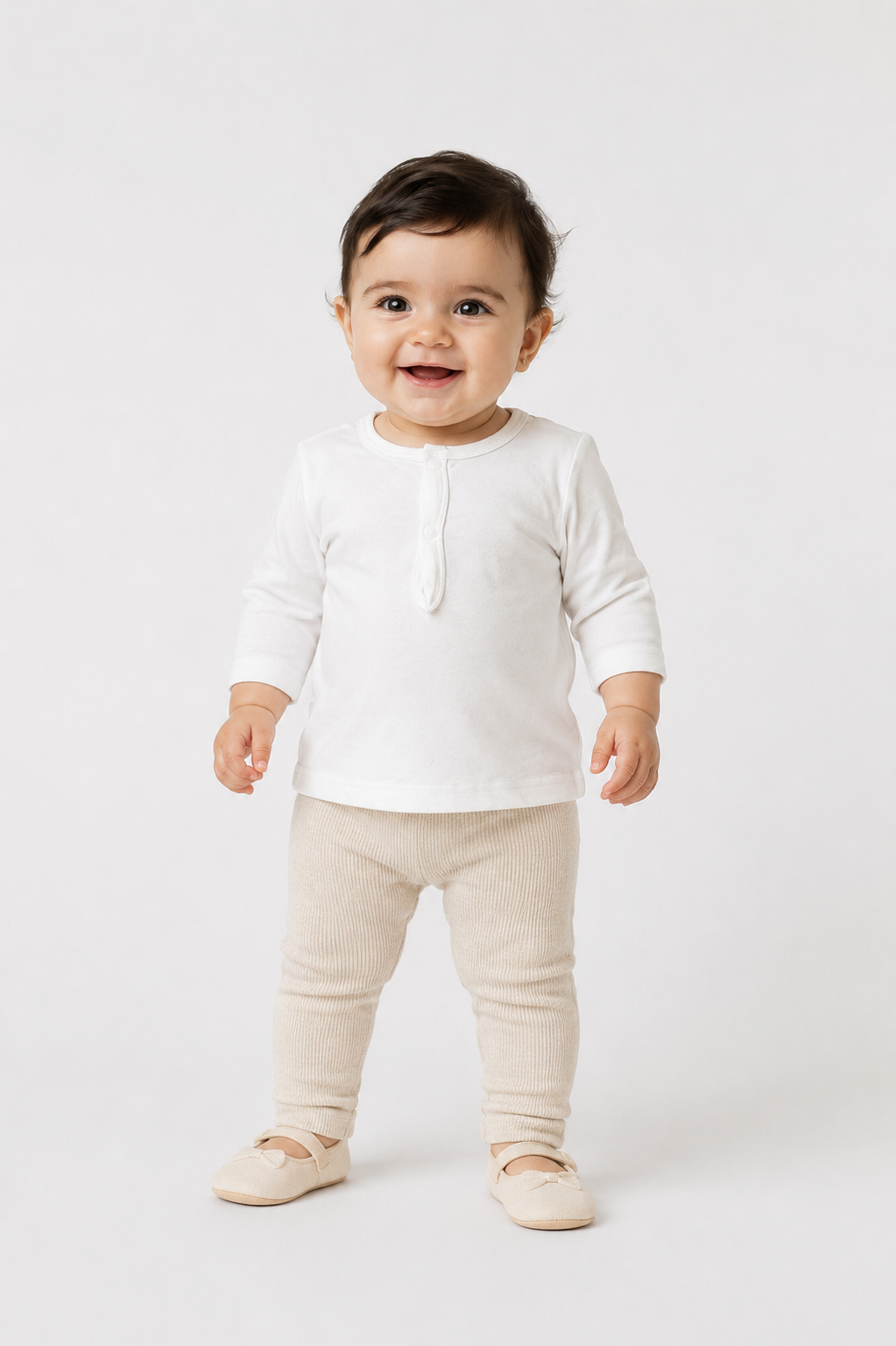
Tier 1: High-Impact Playwear & Toddler Mobility
An itchy glitter thread. A scratchy tulle seam. Either one will ruin a playdate faster than a spilled juice box, and a toddler can't even tell you why, they just refuse to put the shirt back on.
That refusal isn't attitude. It's physical. A toddler's skin runs roughly 20 percent thinner than an adult's, which means seams, tags, and stiff trims an adult would never even register become genuinely uncomfortable during the exact stretch of months a child is learning to crawl, then stand, then stagger across rough carpet and pavement on two unsteady legs.
Poppered hems handle the diaper-change problem. Tagless collars and flatlock seams handle the skin problem, at the source, not after the fact. Together they're the difference between clothing a toddler tolerates and clothing that just disappears once it's on.
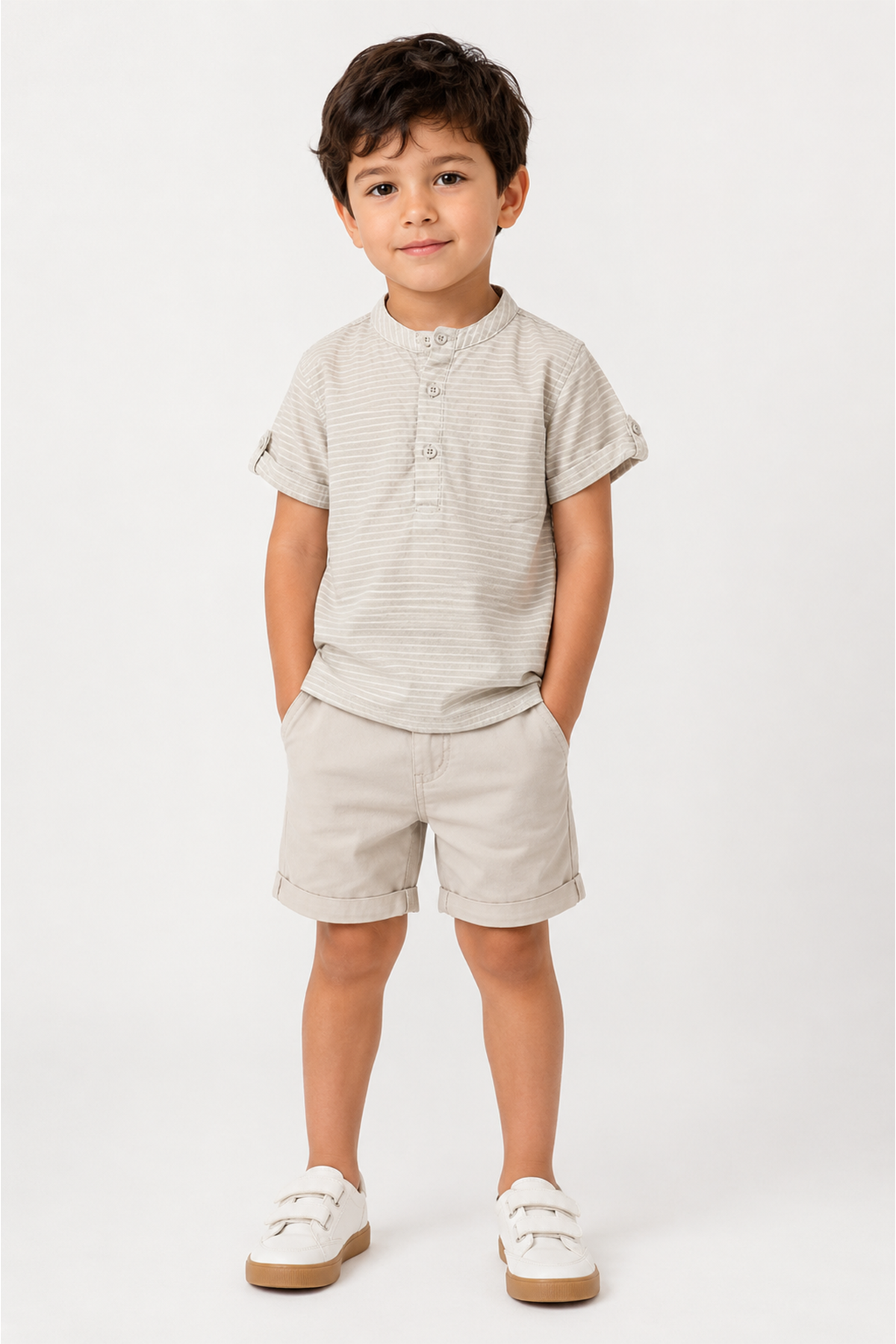
Wash-and-Wear: Surviving the Playground
How many favorite outfits have died on a single slide down a dusty playground? Grass and mud from an afternoon of street cricket, that part's expected.
The washing machine failing to lift either stain, that's the actual failure. A proper kids' shirt survives a 40°C heavy-duty wash cycle without shrinking, pilling, or losing shape at the collar. That one requirement quietly rules out a large share of what gets sold as casual shirts for kids and casual shirts for girls alike, because cheap cotton blends soften and thin after as few as ten hot washes. Ten. Well before a child has actually outgrown the size.
Fabric weight decides this outcome long before the first stain ever happens.
- 5% Lycra-blend leggings. Stretch that survives a slide without tearing at the knee.
- 160 GSM breathable cotton tunics. Heavy enough to resist pilling, light enough for a full day outdoors.
Tier 2: School to Smart-Casual (The 4:1 Ratio)
A functional wardrobe runs on a strict 4:1 ratio. Four breathable play garments for every one smart-casual piece. Most Pakistani households run this backwards without realizing it, a closet stuffed with occasion wear a child touches twice a year, and a thin, worn-through rotation of play clothes that quietly fails by October.
The ratio isn't arbitrary. It's just how a child's week actually breaks down.
School, park, weekend errands eat five or six days on their own. One smart-casual piece covers the single dinner or family visit that needs it. Build a kids shirts and kids trousers rotation around that real math, and a weekend bag packed for an outdoor park walks straight into a family dinner. No outfit change. No panic at the door.
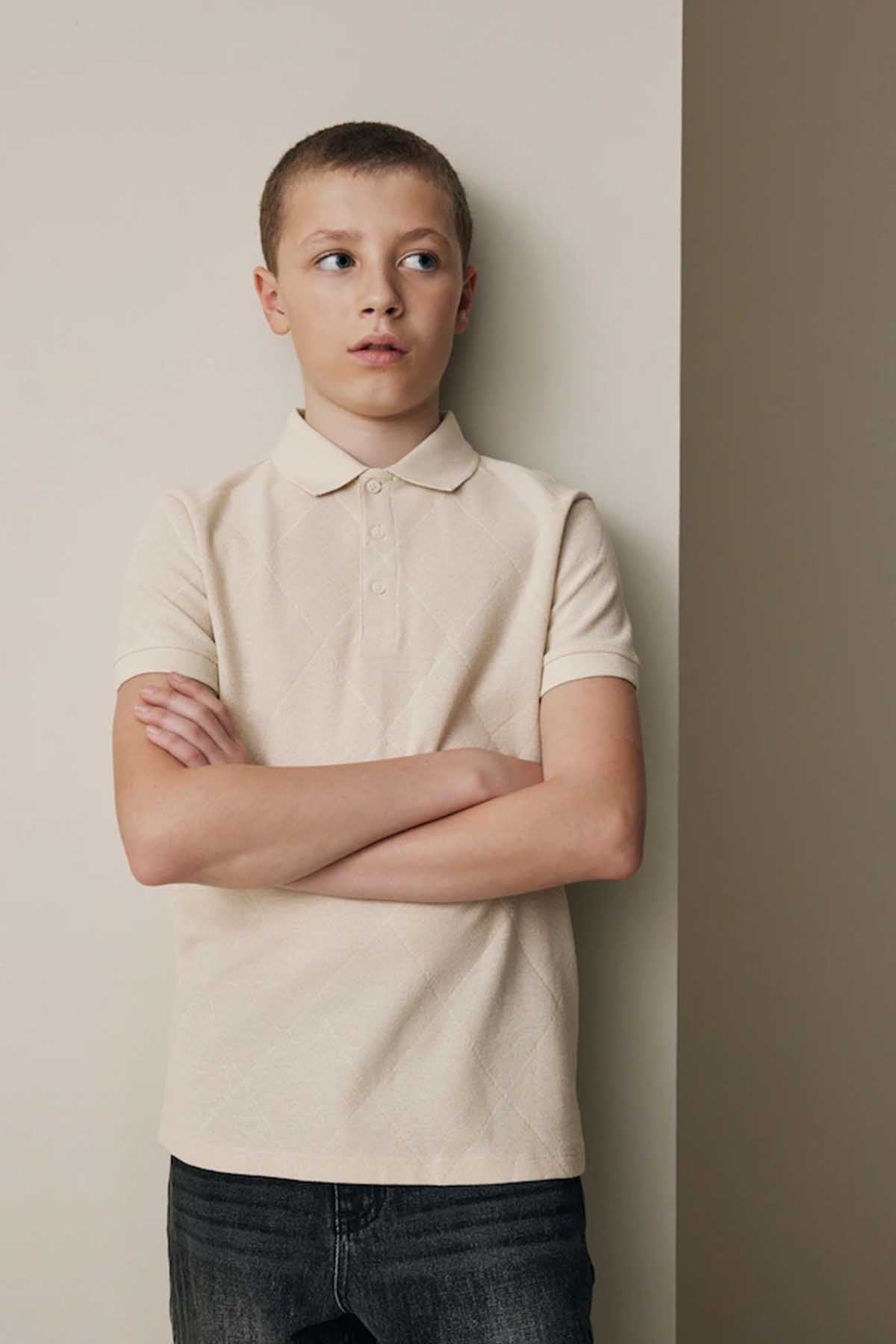
Boys' Polos and Reinforced Bottoms
Dress your son for a family lunch and you need one thing: fabric that looks structured but feels like sweatpants, the only kind he'll actually keep on past the front door. A 180 GSM cotton-piqué polo holds its collar shape through 15 aggressive washes. Fifteen. That's the number that matters, not whatever's printed on the tag.
The bottoms need the same logic. Casual shirts for boys and button down shirts for boys both need a partner piece built to match, and elastic-waist chinos or kids summer trousers in cotton-twill beat a rigid waistband by the second wear, every time. Brushed fleece extends the same rotation into colder months.
Four pieces. That's the whole rotation.
- Cotton-twill joggers with reinforced knee panels.
- Polo shirts in 180 GSM cotton-piqué for collar retention.
- Elastic-waist chinos that pass for tailored without a real waistband.
- Brushed fleece layers for a cooler evening without extra bulk.
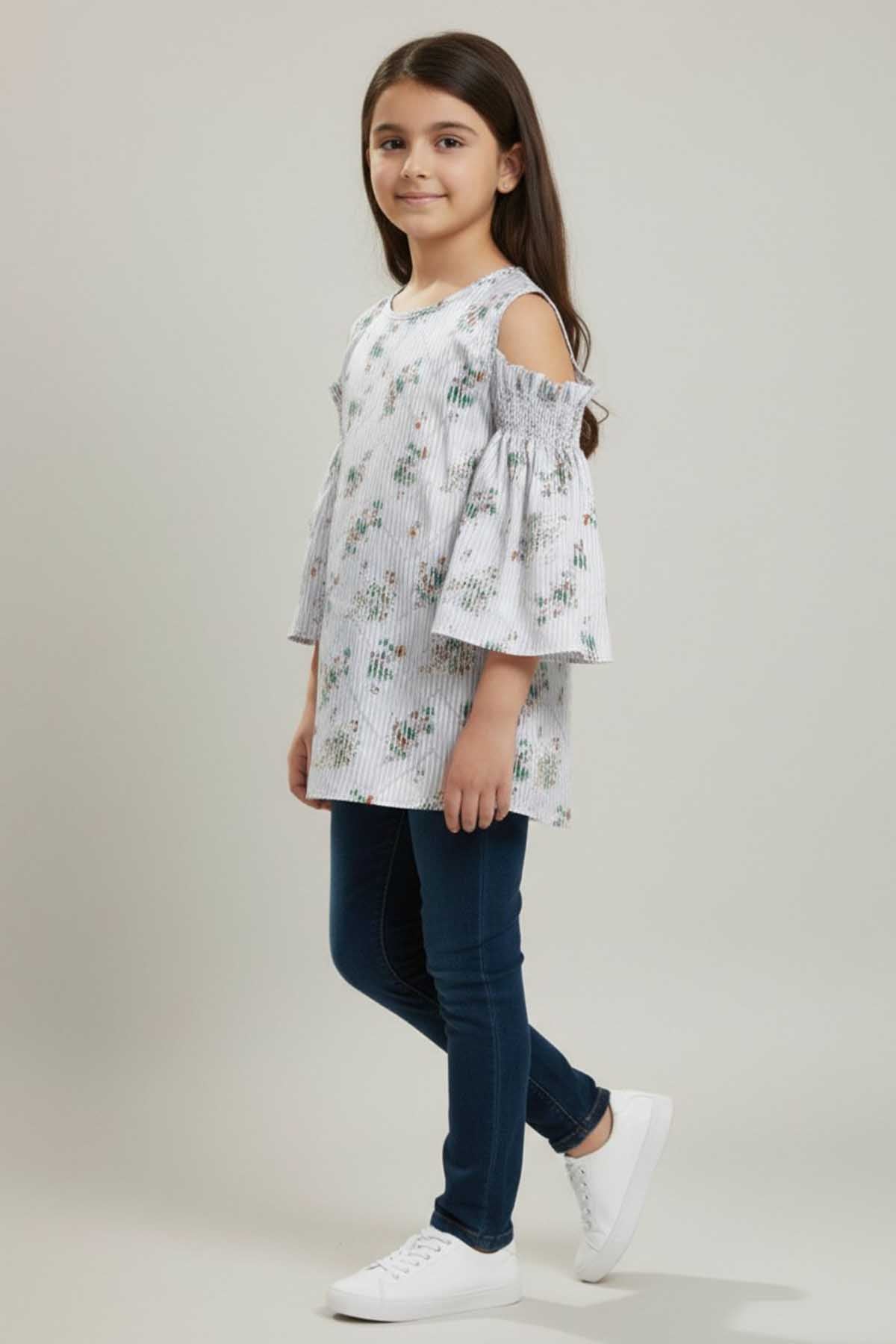
Girls' Western Wear and Denim Rules
Check the waistband on your daughter's current jeans. Right where the fabric meets the button. No internal adjustability there? It's a six-month garment at best, no matter how perfectly it fits the day you buy it, and that's before a single growth spurt shows up uninvited.
Jeans for kids solve this differently, once you know what you're actually looking for. An elasticated back panel flexes with movement instead of fighting it. An internal button-fastened waist adjuster lets a parent take in or let out an inch, no restitching, no tailor, no fuss.
Rigid, non-stretch denim was built for adults who sit still at a desk all day. Not for girls who climb, run, and fold themselves onto a classroom floor five days a week. The stretch isn't a comfort add-on, it's the actual engineering, the reason one pair of jeans lasts a genuine year instead of collapsing after two seasons.
Tier 3: Occasion Wear & The Grandparent Gifting Guide
Grandparent shopping for a gift? Skip the basics. Buy the anchor piece, the one thing a parent almost never buys for themselves.
A formal dinner at Dada and Dadi's house calls for exactly that: a premium branded A-line dress, or a winter jacket built to layer over whatever a child already has on underneath. Best kids brand in Pakistan doesn't mean the priciest name on the shelf.
It means the one whose construction survives being worn once a month for two straight years without falling apart at the seams.
A jacket does this better than almost any other gift on the list, because it simply layers over whatever growth happens underneath it, month after month, without needing to be replaced. An A-line dress works the same trick through cut alone, the silhouette hanging away from the body rather than fitting close, so a slightly-too-big size reads as intentional, not borrowed. Both solve the real problem a gift-giver actually has: dressing a child they see four times a year, and getting it right anyway.
Sizing for Gifts (Without Guessing)
Never guess a shoulder width. Never. A drop-shoulder silhouette forgives a wrong estimate on sight, the seam sitting well past the actual shoulder point so it just reads as relaxed instead of wrong. A cinched-waist dress solves the same problem lower down, gathering the extra fabric in rather than letting it hang loose as an obvious guess.
- Buy outerwear one full size up; growing into a jacket looks intentional, growing out of one doesn't.
- Choose dresses with adjustable back-ties over fitted seams whenever the exact size is a guess.
Stop settling for disposable fashion, whether you're restocking daily essentials or hunting for a birthday gift that won't sit in a drawer by March. Fill one cart. Kids clothes online, kids shirts online, and kids trousers online, all from the best kids brand in Pakistan built to actually satisfy a parent's budget.