


Formal vs Casual Shirts: What to Wear with Trousers and Chinos
Formal or casual is rarely obvious from ten feet away, until you're standing in front of a client pitch or a wedding hall wondering if you got it wrong. That ambiguity costs men more mismatched outfits than any single fabric choice could, and the line sits in the details, collar stiffness, weave texture, hem length, not in color or price.
This guide breaks all of that down for you. We'll walk through the rules that separate formal from casual, show you how trousers and chinos fit into that logic, and hand you pairing formulas you can apply the next morning without a second thought.
Deciphering the Dress Code: Formal vs Casual Shirts
Hold two shirts side by side and you might not spot the difference. Wear one through an eight-hour shift at your desk and you will.
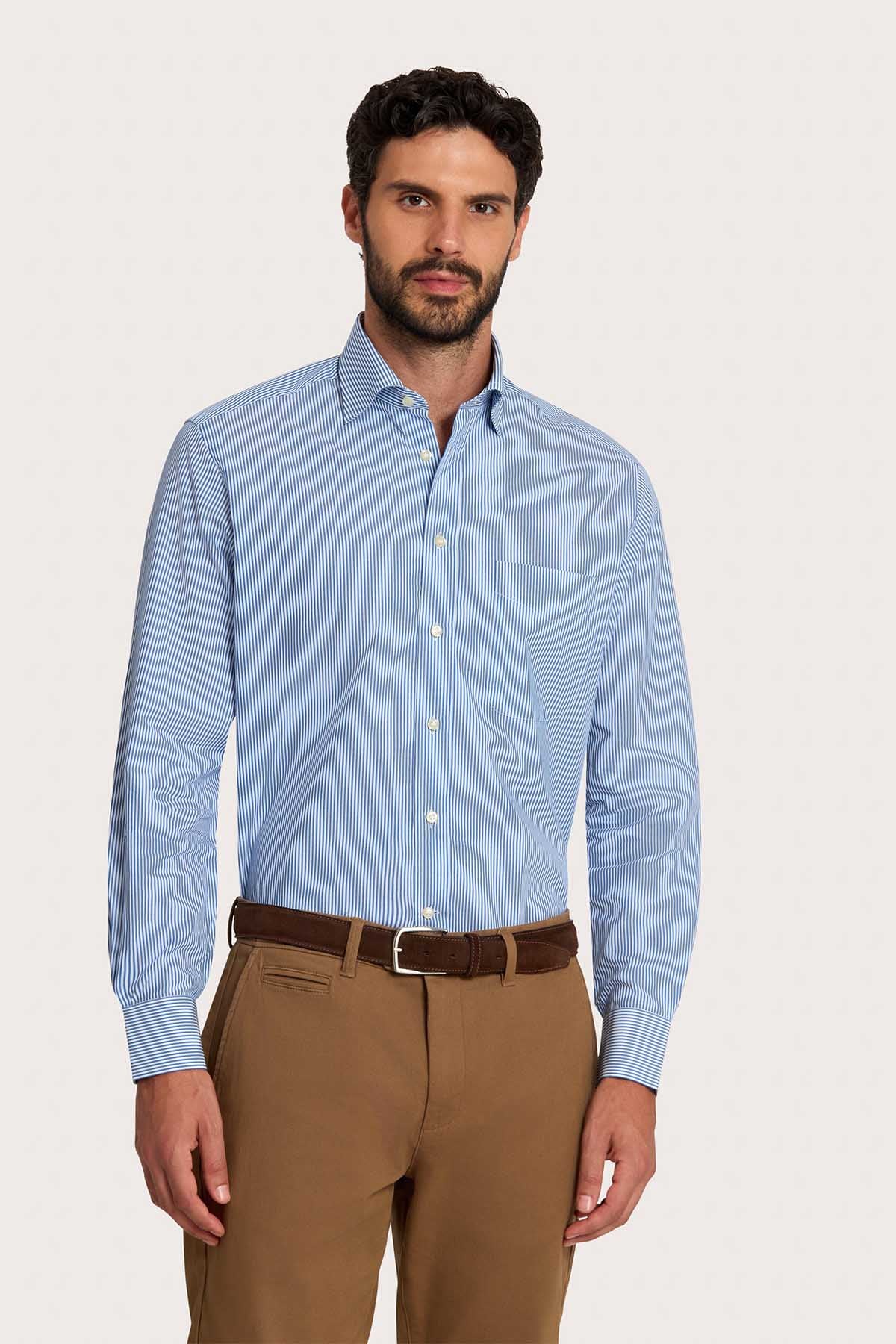
A formal shirt is built for that shift. The collar stays crisp past your third meeting. The fabric resists creasing even after you've been sitting since nine. The hem disappears once tucked, leaving no bulk at the belt line, which is the entire point of a formal cut.
Casual shirts trade that rigidity for ease: softer collars, textured weaves, a hem that sits loose rather than tucked tight for a Sunday market run or Friday prayers. Comfort drives every decision on this side of the dress code.
The Architecture of Formal Shirts
Four details separate a genuinely formal shirt from an imitation, the kind that looks fine in a store mirror and falls apart by the time you're two hours into a client pitch.
- Collar crispness. Cutaway and semi-spread collars hold their structure through the day; anything that softens by afternoon isn't formal.
- Weave smoothness. Poplin is the benchmark, its tight, flat weave giving that polished finish formalwear demands.
- Hem length. Cut specifically for tucking, with no excess fabric bunching once it's inside your trousers.
- Sleeve fit. Tapered through the forearm, ending precisely at the wrist rather than bunching under a jacket cuff.
Skip any one of these four and the shirt stops reading as formal by lunchtime, whatever label happens to be sewn inside the collar.
The Blueprint of the Modern Casual Shirt
Trade a spread collar for a button-down and the entire mood of a shirt changes, the same shirt that looked office-ready now looks like something you'd wear to a friend's place on a Saturday.
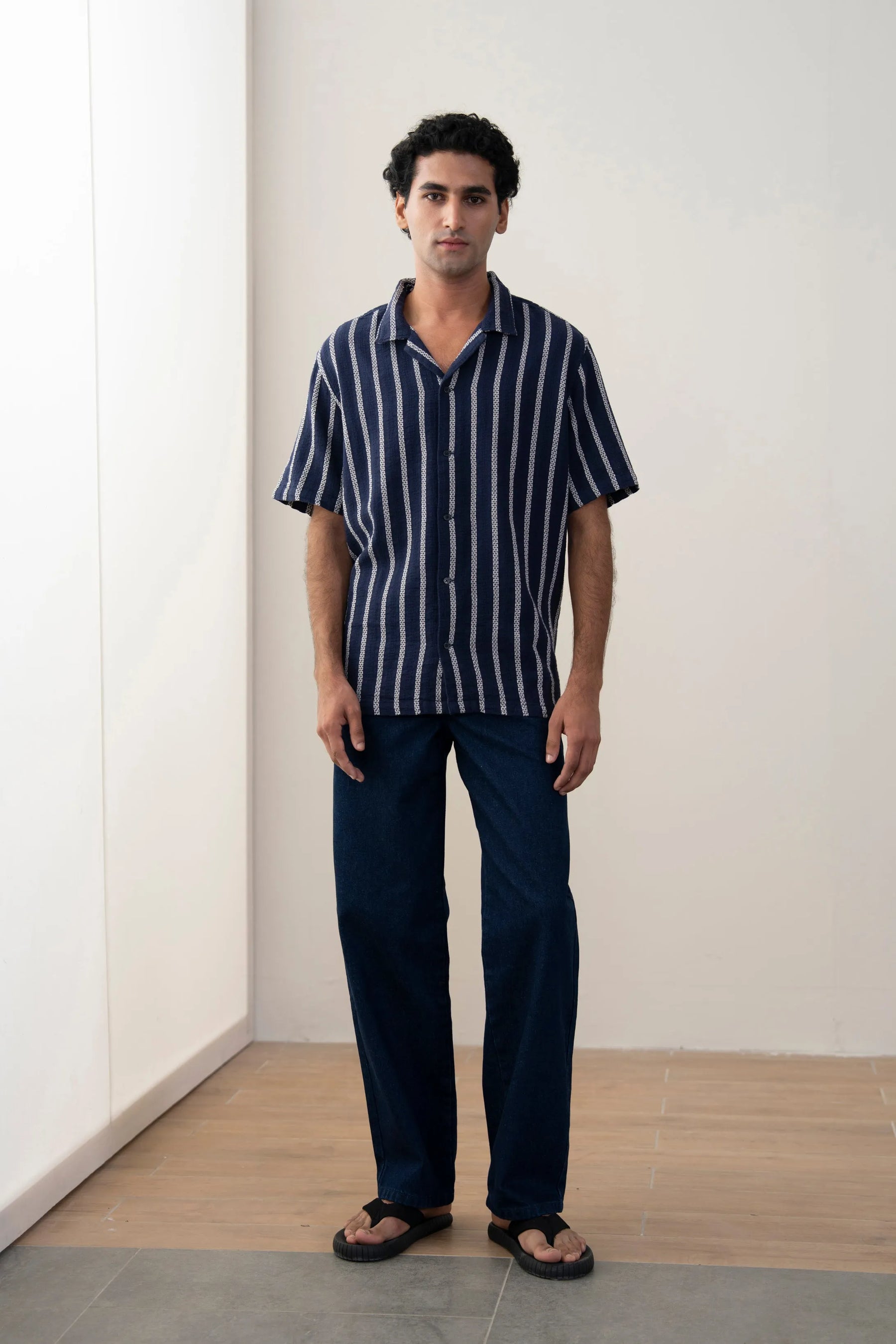
Fabric carries most of the personality here. Oxford cloth brings a slight nub you can actually feel between your fingers, a texture formal poplin was never built to have. Chambray goes lighter still. Its breathable drape suits a long, warm afternoon outdoors better than any air-conditioned boardroom ever will.
Hemlines follow the same relaxed logic, sitting easily over the waistband whether tucked loosely for lunch or left open for a walk to the market. No iron required mid-week.
Decoding the Lower Half: Trousers vs Chinos
Trousers and chinos get treated like synonyms in most closets. They aren't, and the mix-up shows up most often right before a wedding, when a man reaches for the wrong pair entirely.
Pocket construction gives the fastest read. Trousers for men in Pakistan typically run side-seam pockets designed for a clean formal silhouette, while chinos favor slanted pockets built for the kind of everyday motion a wedding hall never sees.
When to Rely on Formal Trousers
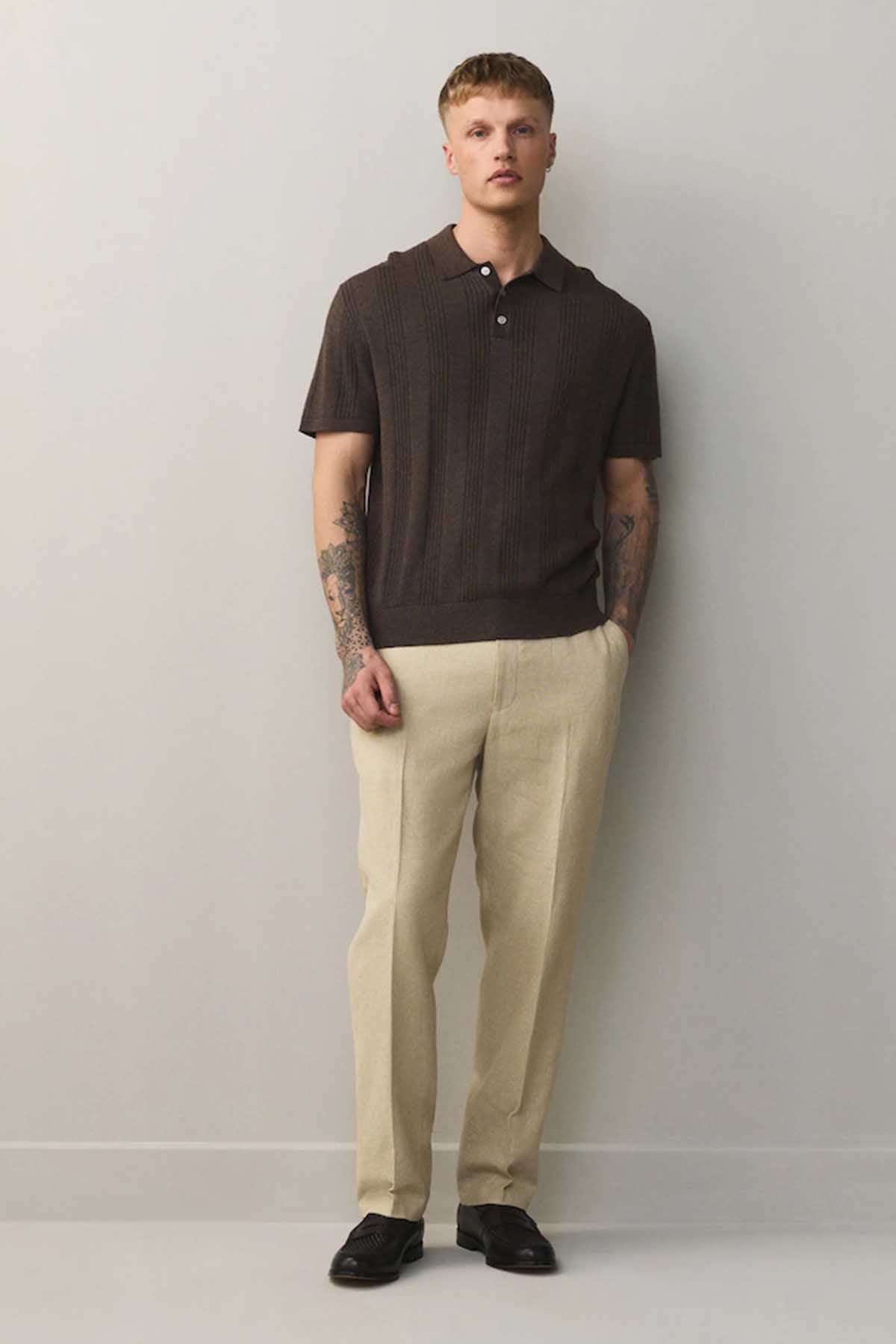
A formal trouser earns its shape through construction, not fabric weight alone. Every element here serves one job, holding a sharp line from the moment you sit down at 9 a.m. to the moment you stand up at 6.
- Structured waistband and sharp center crease. Together these hold the trousers' shape independently of a belt and create the defined front line that signals formal pants for men, instantly recognizable whether you're walking into a boardroom or a wedding hall.
- Hidden stitching. Seams disappear into the fabric rather than sitting visible on the surface, keeping the finish clean under close inspection.
Cotton alone can't hold a crease this well through a full day of sitting and standing. Poly-viscose and wool blends can, which is why formal trousers still dominate corporate dress codes and wedding season alike across Pakistan's urban centers.
Why Chinos Are Your Versatile Staple
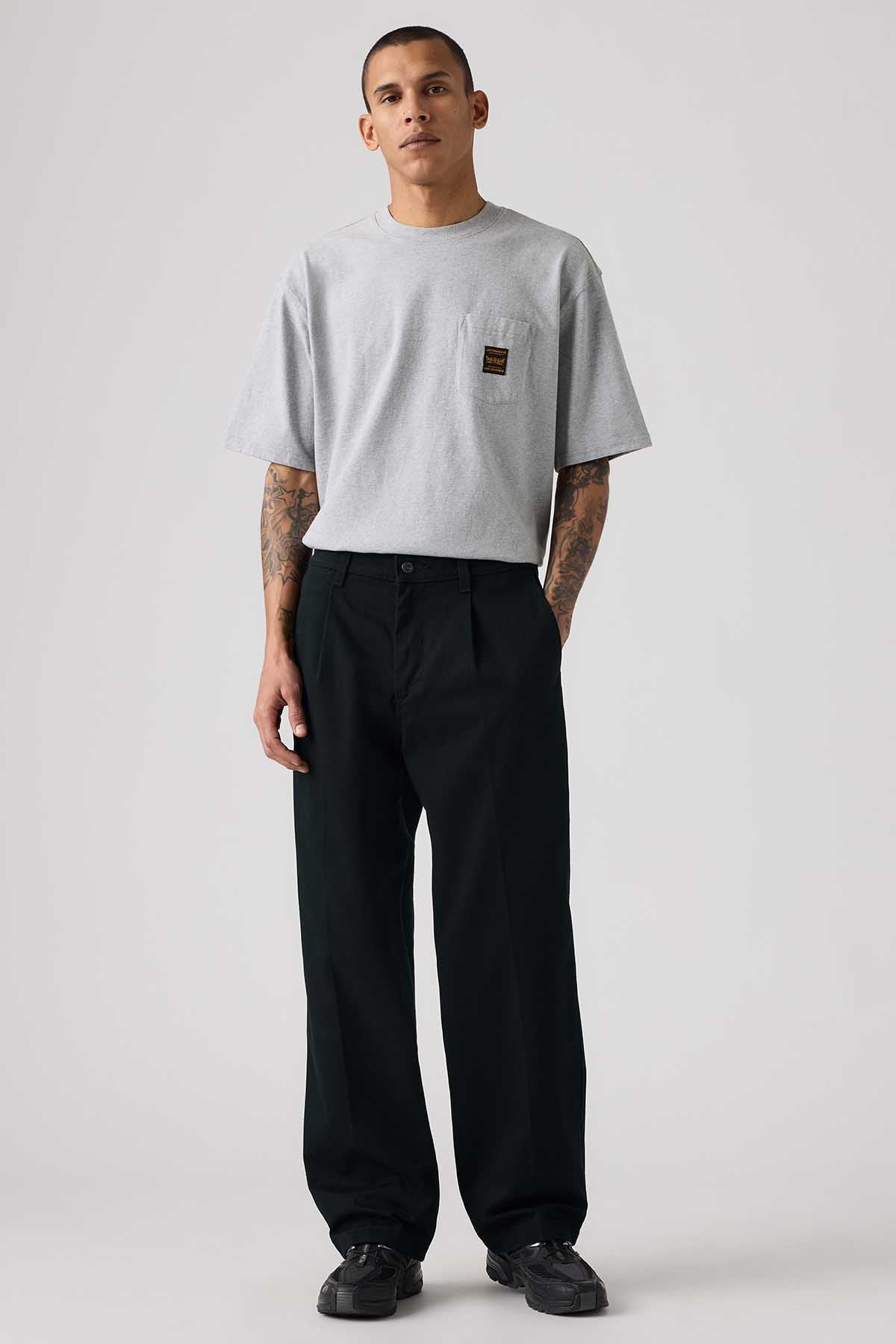
A chino borrows structure from formal trousers and ease from jeans, landing precisely in between, which is the whole appeal of the fabric on a day you can't decide what the day actually calls for.
Cotton twill forms the foundation: sturdier than a dress shirt's fabric, more relaxed than a wool blend trouser. Chino pants for men move fluidly across settings because of this balance, from a blazer-topped office look straight into a polo shirt weekend without a wardrobe change.
Cotton twill also releases heat far faster than wool. On a Lahore afternoon pushing past 40 degrees, that difference is the reason chinos stay comfortable while heavier trousers start to feel like a mistake by two o'clock.
The AK Galleria Pairing Matrix
Rules for shirts and rules for trousers only solve half the puzzle. Real value comes from knowing which combinations were designed to work together for the specific day you're dressing for.
- Rule 1: Crisp Poplin Formal Shirt + Tailored Formal Trouser = Boardroom Ready. Wear this to the client's pitch; you can't afford to walk into looking anything less than sharp.
- Rule 2: Oxford Casual Shirt + Garment-Dyed Chino = Smart Casual Perfection. This is the Friday lunch pairing, textured cotton meeting soft-structured twill for offices running relaxed or hybrid dress codes.
- Rule 3: Short-Sleeve Casual Shirt + Lightweight Chino = Weekend Standard. Built for a market run or a friend's place, comfort and airflow first, formal appearances a distant second.
- Rule 4: When fabric weights don't match, nothing else about the outfit matters. A heavy trouser under a light shirt reads off, whatever the colors happen to be doing.
Commit these four combinations to memory and most weekly wardrobe decisions resolve themselves before you open the closet door, even on a rushed Monday morning.
Fabric Science for the Pakistani Climate
Rules only hold value if the fabric behind them can survive local weather, and Pakistan's summers push past 40 degrees for a good six months of the year.
Heavy weaves trap heat and moisture through an afternoon like that, ruining an outfit by the time you're back from lunch, no matter how sharp the pairing looked at nine that morning. That's why we engineer our summer shirts for men and trousers for men around breathable weaves and lighter weights built for exactly this climate.
Explore the full range and build a wardrobe that holds its shape through a Karachi humid spell or a Lahore heatwave as confidently as it holds one in a boardroom.
Frequently Asked Questions
Should formal shirts be worn with trousers or chinos?
We recommend pairing formal shirts strictly with formal trousers. A crisp poplin shirt looks best anchored by tailored wool blend trousers. Pairing a highly structured shirt with relaxed cotton chinos creates a clash in formality, so keep your sharpest pieces together for a clean boardroom look.
Can casual shirts be paired with formal trousers?
We advise against this pairing. The soft collar and textured fabric of a casual shirt look out of place against the sharp center crease of a formal trouser. You should always match the relaxed drape of a casual shirt with garment dyed chinos for a balanced and cohesive finish.
Which shirts look best with chinos?
Chinos pair flawlessly with textured casual shirts. Oxford cloth button downs, lightweight chambray, and relaxed short sleeve shirts perfectly complement the cotton twill of a chino. This combination strikes the ideal balance for a smart casual office environment or a weekend outing.
What colors of shirts and trousers work well together?
Build your wardrobe foundation on neutral trousers like navy, charcoal, and olive green. Pair these with classic shirt colors like crisp white or light blue. For a foolproof daily uniform, we recommend matching a light blue Oxford shirt with navy chinos, or a white poplin shirt with charcoal trousers.