


Too Hot for Denim? What Women Are Actually Wearing This Summer
There's a specific kind of regret that hits around 10 AM in July. You left the house in jeans out of habit, out of autopilot, and now you're standing somewhere between your car and wherever you're going, already negotiating with yourself about whether you can go back and change.
You cannot. You're committed now.
Nobody is making you wear denim in Karachi's 42-degree heat or Lahore's suffocating humidity. The alternatives just used to be harder to find. That shifted relaxed tailoring and wide-leg silhouettes have moved from trend to default, and western wear has landed in a genuinely useful place for Pakistani summers.
Here's what's actually worth wearing right now.
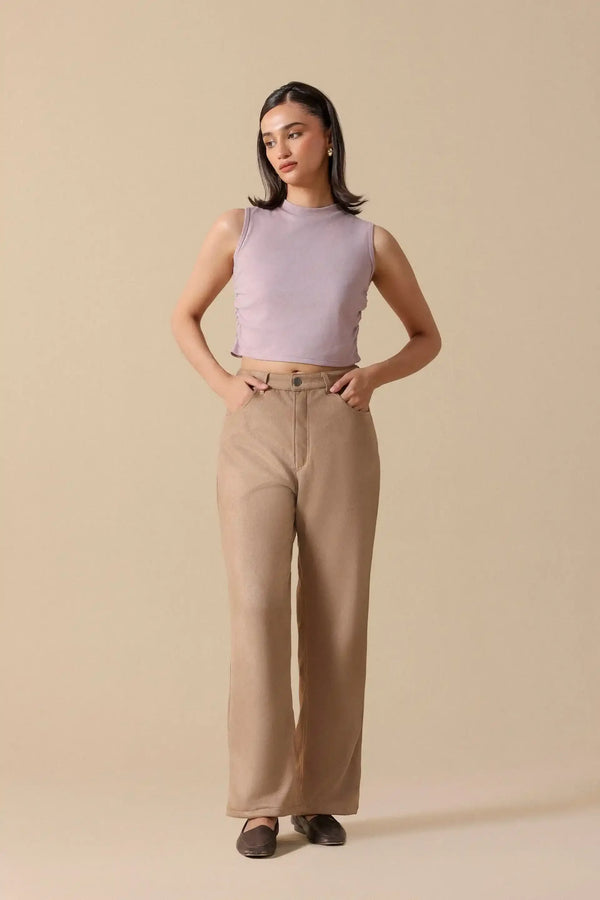
The Swap That Changes Everything: Wide-Leg Trousers & Linen
Fitted pants hold heat against your body without releasing it. Wide-leg cuts work differently, as air moves through the silhouette rather than being trapped by it. Combine that with a linen-cotton blend, and you have a bottom half that isn't working against you by 11 AM.
Pure linen wrinkles badly in humidity and can look collapsed by midday. A linen-cotton blend holds its shape through a full day, breathes nearly as well, and survives being sat in for three hours. For a neutral stone, white, or khaki, that difference matters more than it sounds.
The versatility is real. A well-cut pair moves from a casual Friday at the office to a late-morning errand run without asking you to think about it. Same summer trousers, different top, completely different look.
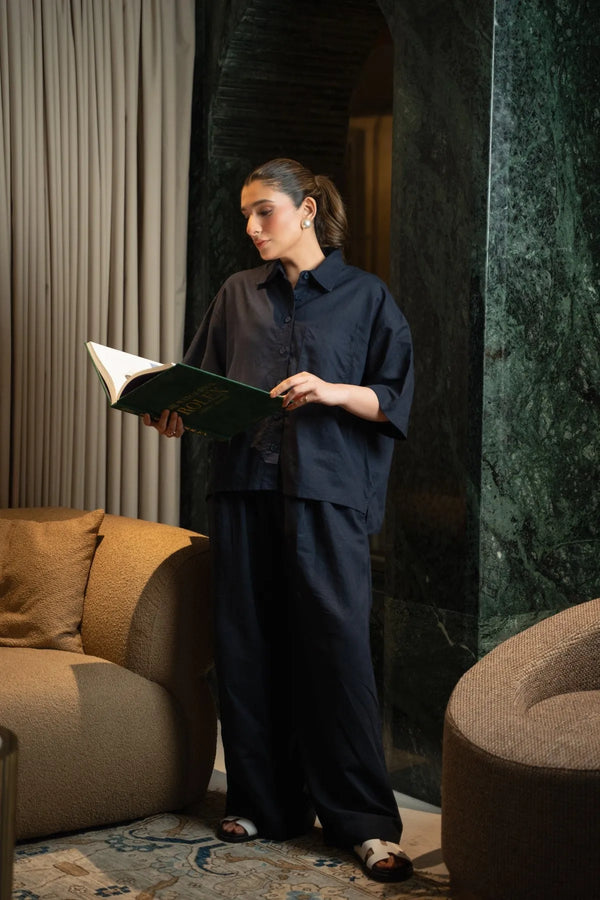
One Shirt, Five Configurations: The Oversized Button-Down
Most people own a button-down and underuse it. Worn open over a tank, it's casual and breezy. Half-tucked into wide-leg trousers with sleeves rolled once, it's a considered daytime outfit. The same shirt covers a rooftop dinner and a Sunday errand run because the proportions work across contexts in a way a fitted top doesn't.
Fabric determines which version you're actually buying. Poplin is crisp, structured, and crosses into office territory easily. Cotton voile is lighter, drapes rather than sits better for heat-heavy days. A linen shirt handles temperature better than both but stays firmly casual. Worth knowing before you buy.
There's also a practical case for sleeve length in direct afternoon sun. A lightweight long-sleeved shirt in a natural fabric blocks radiant heat while allowing airflow. Synthetics trap. Loose natural fabrics don't.
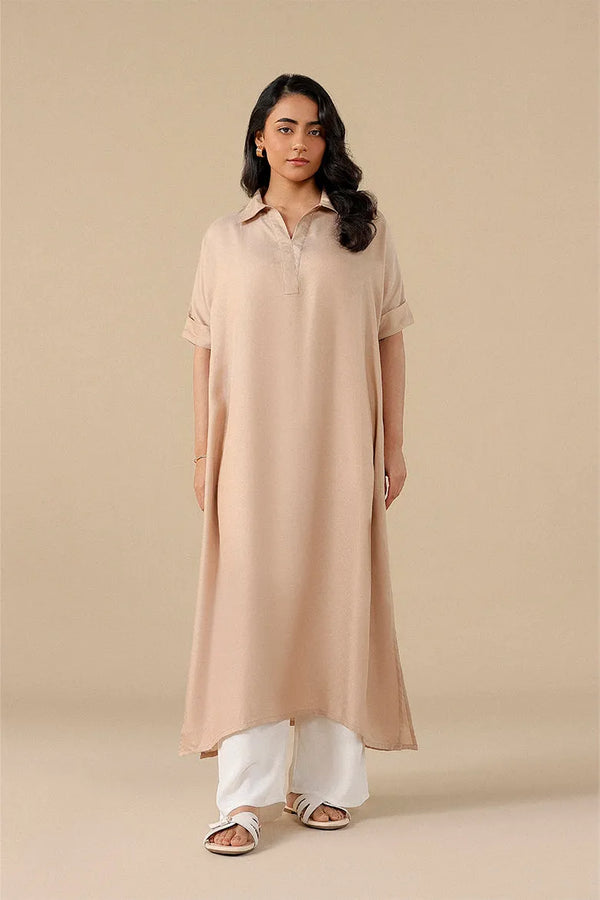
The One-Piece Solution: Dresses That Remove the Problem Entirely
The coordination problem disappears with a dress. One decision in the morning, no matching required. On days when getting dressed is just another thing on a list, that's not a small thing.
Midi and maxi lengths are cooler than shorter hemlines in direct sun, less skin is exposed to radiant heat, and more air circulates beneath the fabric. A tiered cut adds movement. A wrap style lets you adjust fit throughout the day. An A-line keeps things clean.
Cotton lawn and light rayon work in Pakistani summers. Polyester doesn't hold body heat regardless of how the label describes it. The fabric decision matters more than the style decision here.
Tops: Less Is Doing More Work Than You Think
Complicated layering in heat looks exactly like what it is: an outfit fighting the weather. A structured tank in 100% cotton does more than a synthetic alternative at twice the price. It absorbs, releases, and doesn't cling when it gets warm.
The one pairing rule worth keeping: a loose top needs a cleaner bottom, a relaxed bottom carries a more structured top. One element loose, one with shape. It stops outfits from looking accidental and carries western tops across office, casual, and evening without needing a separate wardrobe for each.
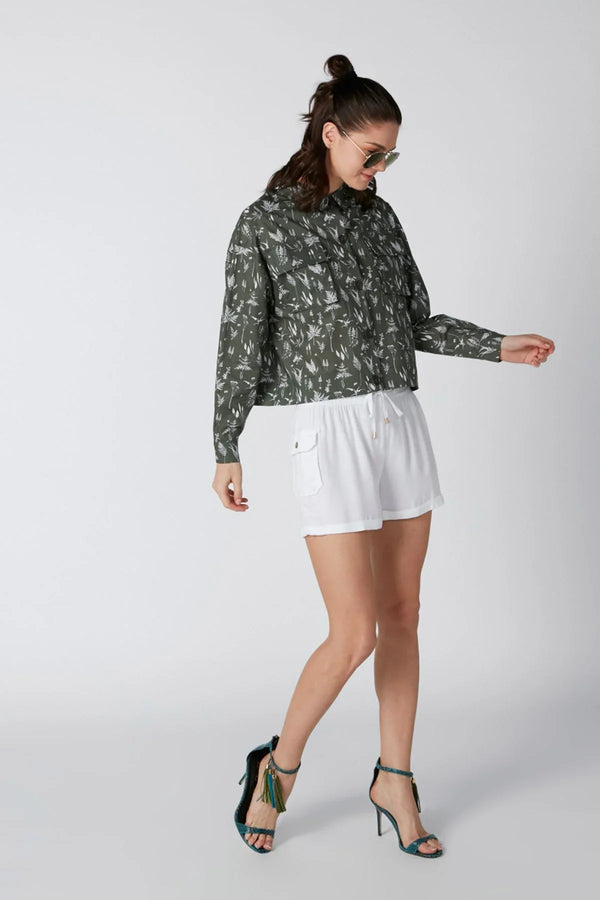
The Case for Shorts: The Most Direct Answer to 42 Degrees
Wide-leg trousers solve the heat problem elegantly. Women’s shorts solve it bluntly. On a Saturday errand run, a rooftop lunch, or any genuinely casual day, shorts do what no trouser can: remove fabric from the equation entirely.
Fabric still matters. Cotton or linen breathes. Polyester doesn't, regardless of how lightweight it looks on the hanger. Mid-thigh to Bermuda length travels better across contexts, casual Fridays, family lunches, and rooftop settings without a second thought.
The same rule applies: one element loose, one with shape. A relaxed, short, structured top. A fitted shirt, something oversized. Intentional without effort.
The Wardrobe That Gets You Through July
Denim isn't gone. A lightweight chambray shirt worn open works fine. A loose fit in a light wash on a cooler evening works. Heavy denim in direct afternoon sun isn't a good enough reason.
A starting point: two pairs of wide-leg trousers in neutrals, an oversized button-down, one or two dresses in natural fabrics, and enough tops to rotate without thinking. Adjust for your own summer, your office, your weekends, your occasions. The logic scales.
AK Galleria's summer edit is built around clothes that solve Pakistani summers rather than ignore them, western wear for women that doesn't ask you to choose between looking good and being comfortable.
Shop the full summer collection at AK Galleria
Frequently Asked Questions
Wide-leg trousers in a linen-cotton blend. Unlike fitted pants that trap heat, wide-leg silhouettes allow air to circulate around the body. The linen-cotton blend is the ultimate sweet spot; it breathes beautifully like pure linen, but actually holds its shape through a long day at the office or running errands without wrinkling excessively.
Yes, but it requires a strategic shift. Ditch the heavy, tight jeans for daytime wear and opt for a lightweight chambray shirt worn unbuttoned over a structured tank top. If you must wear denim pants, choose loose, relaxed fits in light washes, and save them for cooler evenings rather than the direct, blazing afternoon sun.
Natural, breathable fibers are the ultimate substitute. To survive the heat, women are swapping heavy denim for linen-cotton blends for structured trousers, crisp poplin for smart-casual oversized shirts, cotton voile for lightweight, breezy draping, and 100% cotton for sweat-absorbing, non-clingy base layers.